
The Music
Learning Hub
for Humanity
A post-AI platform serving as the initial portal for sound literacy — integrating the knowledge of the world's premier music institutions into a globally accessible, pedagogically sound, and ethically grounded ecosystem.
Annual growth in AI music research
Tong et al., 2026
Psychological phenomena mapped through song
Mind in Music
Document chunks in the knowledge base
AI Engine
Premier institutions in the integration roadmap
Knowledge Partners
Of AI music research from US, UK & China
Tong et al., 2026
Academic studies validating the RAG approach
Research Review
One Ecosystem.
Four Dimensions.
Each platform explores a different facet of music's relationship with the human experience — from the physics of sound to the architecture of the mind.

Sound Literacy
Listening is the First Art
A comprehensive educational curriculum exploring sound through physics, neuroscience, psychology, and social theory. Six dimensions of sound literacy for educators, students, and curious minds.

ImaginEngineers
Steering Spaceship Earth
A podcast and platform exploring Buckminster Fuller's vision of comprehensive design science. Episodes, original music, and deep analysis of the systems that shape our world.
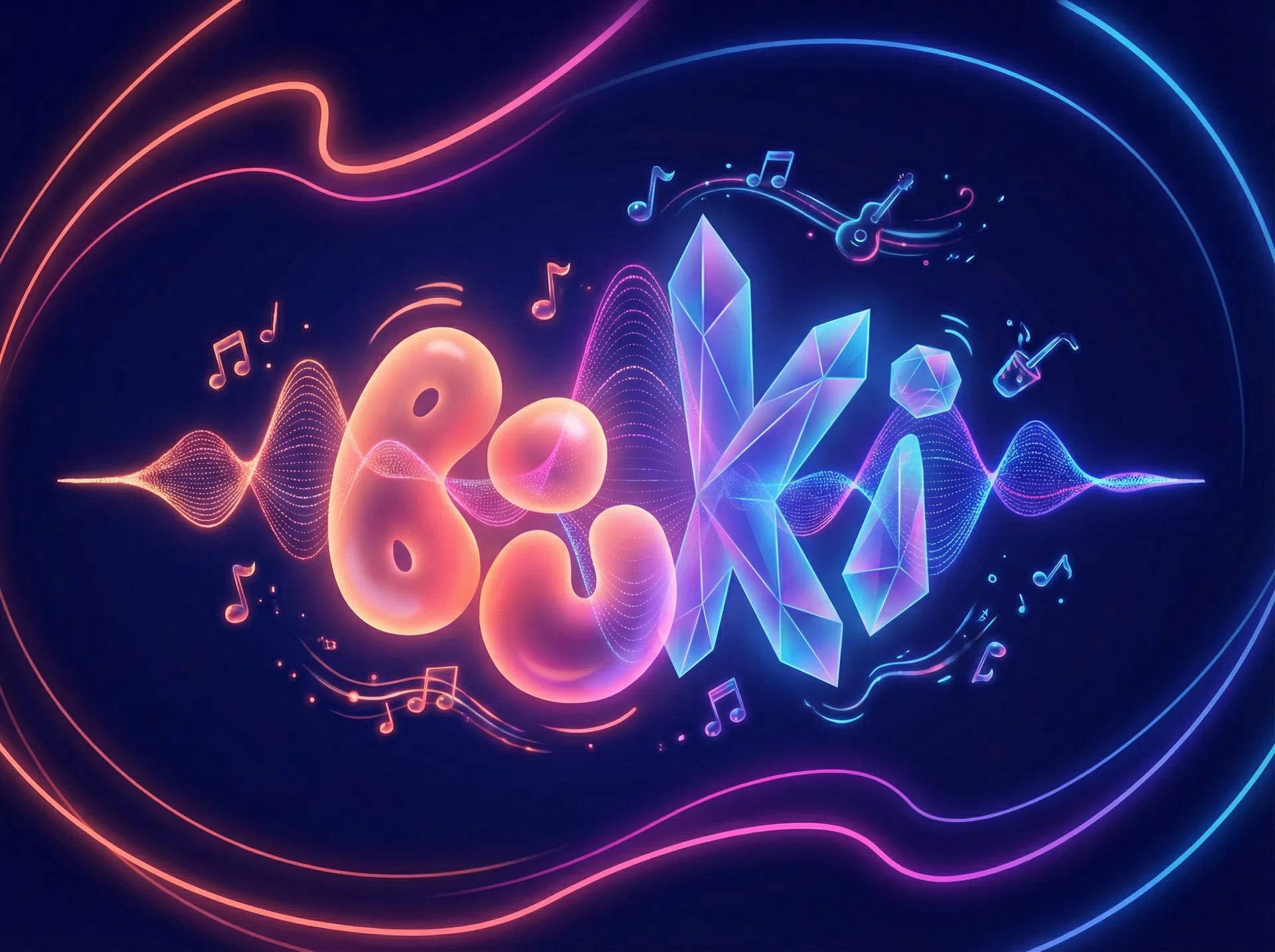
Sound Gallery
The Imagineers of Sound
An animated series for young learners. Join Bouba and Kiki on a magical journey through the world of Sonos — eight episodes exploring the science and wonder of sound.
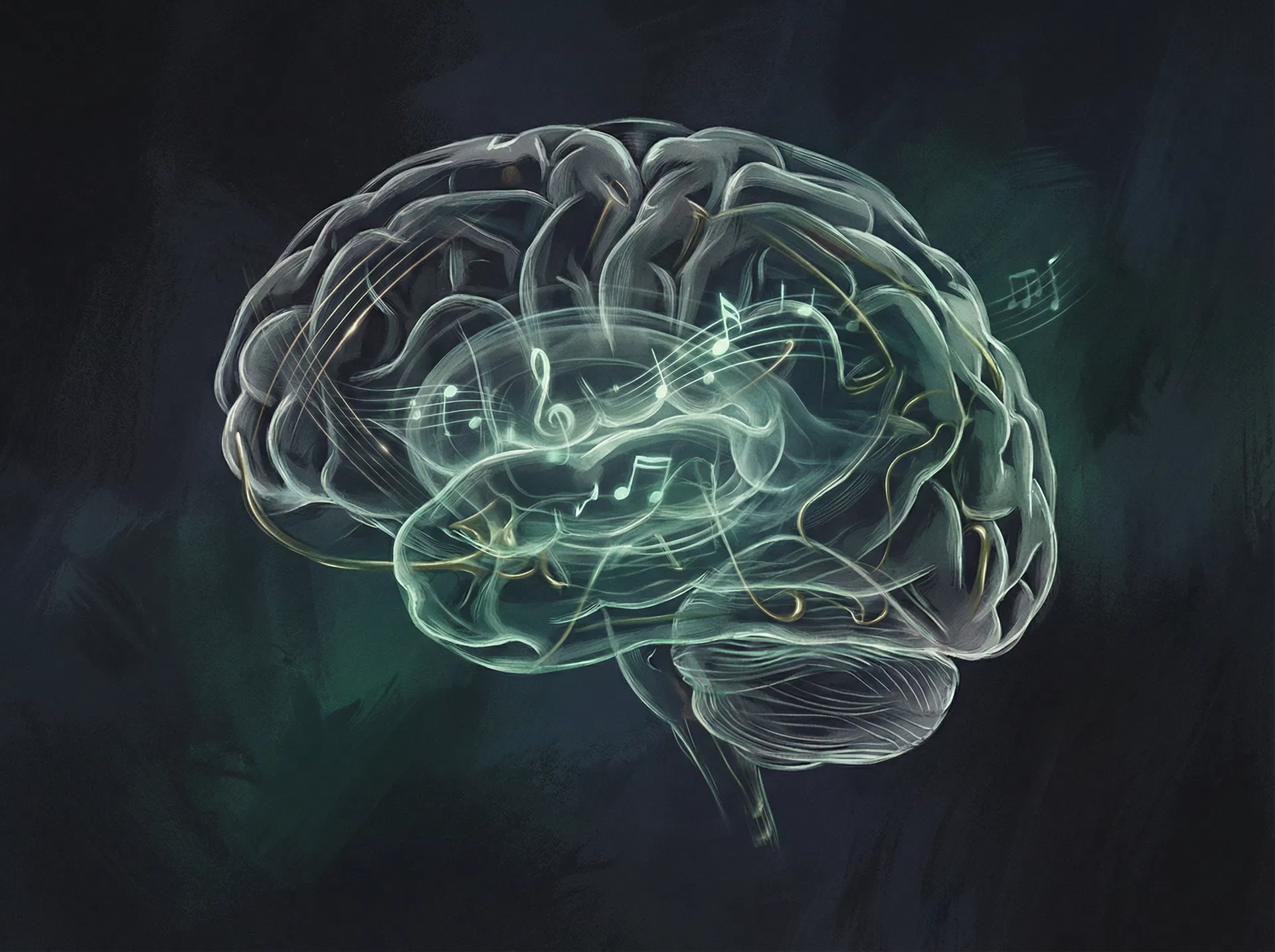
Mind in Music
The Architecture of the Human Mind
Sixty-five songs illuminating sixty-five psychological phenomena. A Delano Institute platform where music becomes the fastest path from the head to the heart.
The Gaps We Fill
| What the market lacks | Our answer |
|---|---|
No unified institutional knowledge base | RAG engine trained on Juilliard, Berklee, Eastman, UCLA |
Feedback is algorithmic, not pedagogically grounded | Every AI response anchored to institutional source |
Cultural inclusivity is an afterthought | Non-Western traditions as first-class citizens from day one |
AI creates dependency, not agency | Built-in reflection prompts and 'think first' guardrails |
No platform bridges conservatory and university traditions | Integrated knowledge from both pedagogical lineages |
From Gatekept
to Democratized
Expertise
Historically, the knowledge held by institutions like Juilliard or Berklee was accessible only to the few who could afford tuition, pass auditions, and relocate. In the post-AI world, the bottleneck shifts from access to curation.
This ecosystem becomes the trusted curator — organizing this vast ocean of possibility into meaningful learning journeys anchored in institutional authority, guided by pedagogical rigor, and designed for every learner on Earth.
"To build the music learning hub for humanity — a post-AI platform that serves as the initial portal for sound literacy."
Globally Inclusive
Designed for learners from all geographies, economic backgrounds, and cultural contexts.
Pedagogically Sound
AI accelerates learning but never shortcuts understanding. Every feature is evaluated against educational outcomes.
Institutionally Respectful
We are partners, not disruptors. Intellectual property is honored and institutional pedagogies are preserved.
Human-Centered
Technology serves human musical growth. The goal is deeper listening, greater understanding, richer expression.
Permanently Iterative
The platform evolves with AI capabilities, institutional contributions, and user needs. 'Finished' is not in our vocabulary.
The AI Knowledge Engine
A retrieval-augmented generation system trained on the collective wisdom of the world's premier music institutions. Every answer is cited. Every source is authoritative.
How does Juilliard teach vibrato?
According to Juilliard's string pedagogy tradition, vibrato is taught as a developmentally sequenced skill that begins with arm motion before refining wrist and finger components. The late pedagogue Dorothy DeLay emphasized vibrato as a tool for tonal color rather than a constant effect.
Sources
[1] Juilliard String Department: 'Foundations of String Technique' (2020)
[2] DeLay, D. 'Teaching Violin: Collected Notes' (Juilliard Archives, 1992)
Query Processing
Intent classification, entity extraction, and language detection transform raw questions into structured retrieval queries.
Semantic Retrieval
LlamaIndex pipeline performs hybrid search across 10,000+ document chunks in the Pinecone vector database, filtered by institution and topic.
Citation Extraction
Every retrieved chunk carries metadata: institution, source document, publication date, and faculty attribution — ensuring full traceability.
Response Generation
Gemini 2.0 synthesizes the retrieved context into a coherent, pedagogically sound answer with self-reflection validation.
The World's Premier
Music Institutions
Juilliard
New York
Performance Excellence
Berklee
Boston
Contemporary Creation
Eastman
Rochester
Theory & Musicology
Curtis
Philadelphia
Intimate Mastery
Royal College
London
Global Heritage
Yale
New Haven
Music & Technology
UCLA
Los Angeles
Ethnomusicology
USC Thornton
Los Angeles
Film & Industry
Institutional partnerships in development. The AI Knowledge Engine will integrate publicly available pedagogical materials, open courseware, and faculty publications from these institutions.
Grounded in Research
Three peer-reviewed studies from 2026 validate our approach and shape every design decision.
AHP-TOPSIS Ranking of AI Music Learning Tools
Pedagogical value and learner experience are the highest-weighted criteria for tool selection. Notation/score-based learning ranked highest among all modalities.
Platform Implication
Our platform must prioritize pedagogical rigor and user experience equally.
Bibliometric Review of AI in Music Education
14.92% annual growth in AI music research. Persistent gaps in cultural inclusivity, interpretability, and ethical governance across all major platforms.
Platform Implication
Our global platform must intentionally address cultural inclusivity beyond Western traditions.
AI Impacts on Learner Agency in Music
AI tools create both empowerment (increased perceived competence) and dependency (outsourcing evaluative authority, algorithmic self-censorship).
Platform Implication
We must design to prevent cognitive dependency — AI should support, not replace, learner judgment.
The Prompts That
Build the Platform
To move from "linking to sites" to creating a true platform, you need strategic prompts that address identity, architecture, AI design, and content. These are the questions that produce the best outcomes.